When you think of gift baskets, you picture a cheerful mix of gourmet treats, a little bottle of wine, maybe a scented candle, all wrapped in a bow. But behind the pretty packaging lies a maze of regulations, quality checks, and, for many small vendors, a frustrating truth: no ability to get product certifications for men’s gift baskets. In this article we’ll unpack why this happens, what it means for buyers and sellers alike, and how you can still deliver a top‑notch gift without a shiny certificate on the side.
Understanding the Certification Maze
What Are Product Certifications?
Product certifications are formal attestations that a product meets specific safety, quality, or environmental standards. Think of them as a passport that lets a product cross borders, reassure consumers, and meet retailer requirements. For foods, you might see “USDA Organic” or “Non‑GMO Project Verified.” For electronics, it’s often “CE” or “UL.” Each certification has its own set of tests, documentation, and sometimes hefty fees.
Why Men’s Gift Baskets Face Unique Challenges
Men’s gift baskets, by their nature, are a collage of items: chocolates, jerky, grooming products, and sometimes novelty gadgets. Each component may come from a different supplier, each with its own certification status. When you try to certify the entire basket, you’re essentially trying to certify a moving target. Moreover, many of the small‑batch items that make a basket special—hand‑crafted soaps, artisanal jerky—often lack the infrastructure to pursue formal certification. That’s why no ability to get product certifications for men’s gift baskets is more common than you might think.
“Quality is never an accident.” – John Ruskin
This quote reminds us that while certifications are valuable, the true measure of a gift’s quality lies in the care and thought behind it.
Common Certification Roadblocks
Regulatory Gaps in the Gift Basket Market
Unlike packaged foods or pharmaceuticals, gift baskets are not regulated as a single product. The FDA and USDA typically oversee individual ingredients, not the finished basket. This regulatory gap means that there is no single certification body that can certify a “men’s gift basket” as a whole. Vendors must rely on the certifications of each component, and if any piece lacks a certificate, the entire basket can’t claim a collective certification.
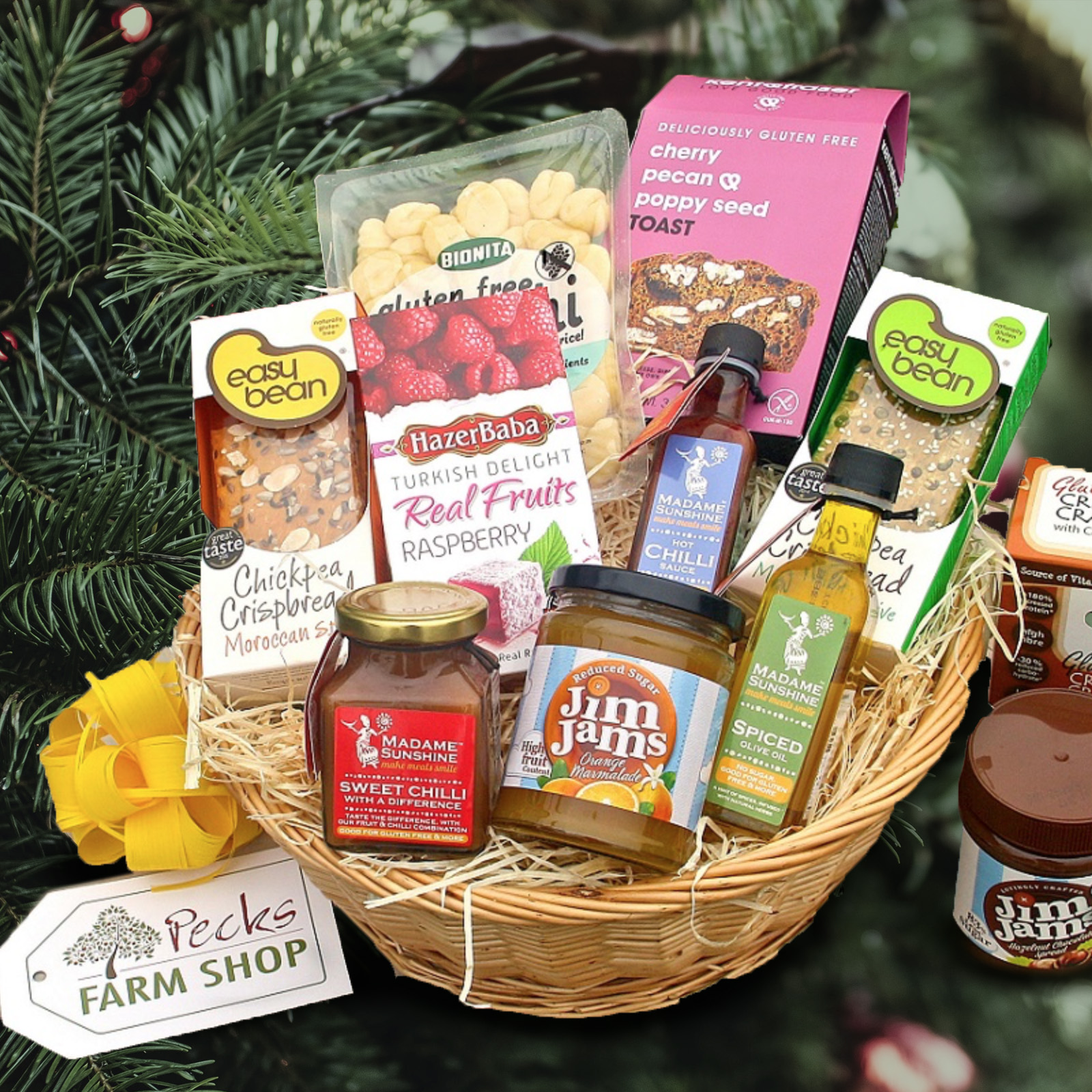
Supply Chain Visibility Issues
Imagine trying to put together a puzzle when you can’t see all the pieces. That’s what it feels like for basket makers who source items from a dozen different suppliers. Tracking each item’s origin, handling, and storage conditions becomes a logistical nightmare. Without transparent supply chain data, it’s nearly impossible to prove that the basket Australian hampers for men meets a specific standard.
- Ingredient sourcing – Where does the jerky come from? Is it free of additives? Packaging – Are the wrappers recyclable or compostable? Handling – Was the basket stored in a temperature‑controlled environment?
If any of these questions can’t be answered, certification stalls.
Strategies to Overcome Certification Hurdles
Building a Transparent Supply Chain
Even if formal certification is out of reach, a transparent supply chain builds trust. Start by:

- Requesting certificates of analysis from each supplier. Maintaining a clear record of storage temperatures and handling procedures. Conducting periodic audits of your own operations.
This approach turns your basket into a “certified by design” product, where the quality assurance comes from your own practices rather than an external body.
Leveraging Third‑Party Audits
Sometimes the solution lies not in formal product certification but in independent audits. A third‑party audit can verify:
- Food safety – Checking for contamination risks. Sustainability – Ensuring packaging is eco‑friendly. Labor practices – Confirming ethical sourcing.
These audits can be less costly and more flexible than pursuing full product certifications, yet they still provide a credible stamp of approval.
Innovating with Certification‑Ready Ingredients
If you’re creating a new basket line, consider sourcing ingredients that already carry certifications. For example:
- Organic chocolate – USDA Organic. Fair‑trade coffee – Fair‑trade certified. Bamboo utensils – FSC certified.
By selecting certified components, you can claim that the basket contains certified items, even if the basket itself isn’t certified as a whole.
When Certification Isn’t an Option
Alternatives to Formal Certifications
When the cost or complexity of certification outweighs the benefit, there are still ways to showcase quality:
- Quality seals – A custom seal that explains your standards. Storytelling – Highlight the artisans and farms behind each item. Customer reviews – Let satisfied buyers vouch for your basket’s excellence.
These alternatives can be just as persuasive, especially for niche markets that value authenticity over labels.
Communicating Quality Without Labels
A well‑crafted narrative can turn a lack of certification into a selling point. Use phrases like:
- “Hand‑picked from local farms.” “Curated with care for the modern man.” “Sourced from artisans who share our commitment to quality.”
Humor can also lighten the message: “We couldn’t get a certificate, but we can promise you won’t find a better basket in the bargain bin.”
Choosing the Perfect Basket Without a Certificate
When you’re shopping for a men’s gift basket, keep these insights in mind:
- Ask about sourcing – The vendor should be able to explain where each item comes from. Look for third‑party audits – Even if the basket isn’t certified, an audit adds credibility. Check packaging sustainability – Eco‑friendly materials reflect a higher standard of care. Read the story – A compelling backstory can be as convincing as a label.
Remember, a gift basket is a gift of thought and effort. If the maker can’t get a formal certification, it doesn’t mean the basket is subpar. It often means they’re navigating the same maze that many small vendors face, and they’re focusing on the quality that truly matters.
In the end, whether or not your chosen basket carries a certification, the real measure of its worth lies in the joy it brings and the care that went into its creation. So go ahead, pick that basket, and let it be a testament to thoughtful gifting—certified by heart, not by paperwork.